
Employers, You’re missing the Largest Untapped Talent Pool — but it’s Not Your Fault

Guest User • 12 March 2024

Share this article

Our workforce is aging, only 62% of the population is currently working. That's why hiring neurodiverse talent is more important than ever before.

There is the elephant in the room, and it’s a big one.

The workforce is aging: Only 62% of the population is working, and while employers have looked everywhere for employees, they have missed the largest untapped pool of talent — the disability community.

But right now, transition services for the disability community aren’t designed or set up for employment; they’re set up for day treatment. This means that schools aren’t setting up pathways for individuals with disabilities to find work; they’re sending them straight to daycare.

42.5 million Americans have a disability; they are talented, brilliant individuals with something to augment every job setting. Inclusive societies are built on the principles of equality, diversity  and opportunity for all. However, despite significant progress in recent years, one community that still faces barriers to full inclusion is the disability community. A critical component of this inclusion is the transition to employment services tailored to the needs of individuals with disabilities.

The current landscape

For many individuals with disabilities, achieving economic self-sufficiency through gainful employment remains a challenge. While there has been considerable advancement in accessibility and accommodations, there is a lack of dedicated transition services that can empower individuals with disabilities to secure and maintain meaningful employment. The existing gaps in the system often lead to unemployment, underemployment and limited career opportunities for this community.

Challenges faced by the disability community

  • Limited access to education and training: Many individuals with disabilities face barriers in accessing education and vocational training, which are crucial for acquiring the skills necessary for employment. Transition services can help bridge this gap by providing tailored support and resources.

  • Stereotypes and stigma: Negative stereotypes and societal stigmas can hinder the employment prospects of people with disabilities. Transition services can help break down these barriers by fostering awareness and understanding, both within the disability community and among employers.

  • Lack of targeted job search support: The job search process can be particularly challenging for disabled people, given the additional accommodations and support needed. Transition services can guide job searching, resume building, and interview preparation, making it easier for them to enter the workforce.

  • Workplace accommodations: While the average workforce accommodation costs less than $500, many employers still refrain from putting support enablers in place. Transition services help match candidates with the right employers and support the negotiation of these accommodations.

The benefits of transition services in the workplace

  • Enhanced economic self-sufficiency: With access to appropriate transition services, disabled individuals can acquire the necessary skills and resources to secure and maintain employment. This not only improves their financial independence but also reduces reliance on government assistance programs.

  • Diverse and inclusive workplaces: Employers that embrace diversity and inclusivity benefit from a wider talent pool, leading to increased creativity and innovation. Transition services promote the hiring of individuals with disabilities, fostering a diverse and inclusive work environment.

  • Improved job satisfaction and retention: When individuals with disabilities are supported in their transition to employment, they are more likely to find jobs that align with their skills and interests. This leads to higher job satisfaction and, consequently, greater job retention.

  • Reduced societal burden: By enabling individuals with disabilities to enter the workforce, transition services contribute to a more inclusive and economically productive society. This, in turn, decreases the financial burden on public welfare programs.

The Way Forward

To address the pressing need for transition to employment services for the disability community, governments, businesses and non-profit organizations must work together. Here are some key steps to take:

  • Invest in education and training: Ensure that individuals with disabilities have access to quality education and vocational training programs that prepare them for the workforce.

  • Promote awareness and inclusion: Raise awareness about the abilities and contributions of disabled individuals and combat harmful stereotypes and stigmas.

  • Develop and fund transition programs: Create and support programs that provide tailored transition services, including job coaching, mentorship, and job placement assistance.

  • Encourage inclusive hiring practices: Encourage businesses to adopt inclusive hiring practices that prioritize diversity and provide necessary accommodations.

The need for transition to employment services for the disability community is not just a matter of social justice; it is an economic and societal imperative. Empowering individuals with disabilities to secure meaningful employment benefits everyone by fostering diversity, inclusivity, and economic independence.

By closing the existing gaps in the system, we can build a more equitable and inclusive society where everyone has the opportunity to thrive. It’s time to bridge the gap and make the transition to employment services a reality for the disability community.

Recent Posts

by Leslie Espinoza 29 August 2026
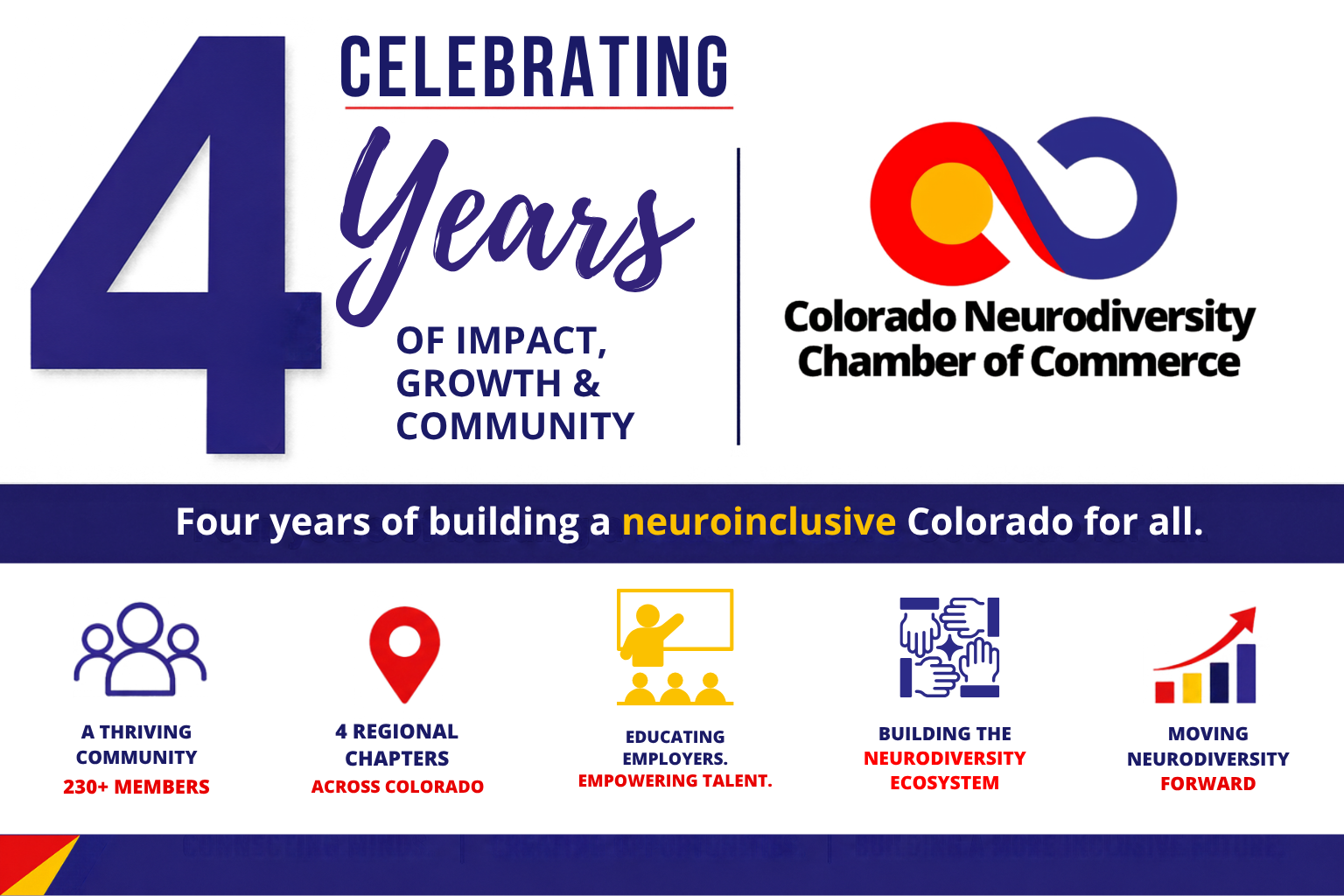
Celebrating Four Years of the Colorado Neurodiversity Chamber of Commerce
by Leslie Espinoza 11 August 2026
Visionary Partners play an important role in advancing CNDCC's mission by investing in a more neuroinclusive Colorado and supporting programs, education, workforce initiatives, and opportunities that strengthen our community. "Visionary Partners help make our work possible. We're grateful to welcome Achieve ABA Therapy Group as they invest in our mission and join a growing network of organizations committed to creating more inclusive communities, workplaces, and opportunities for neurodivergent individuals across Colorado." — Leslie Espinoza, Executive Director, Colorado Neurodiversity Chamber of Commerce Achieve ABA Therapy Group is a Colorado-based provider of individualized Applied Behavior Analysis (ABA) therapy, serving children and families throughout the state through in-home, school-based, community-based, and telehealth services. The organization is committed to expanding access to evidence-based services while working collaboratively with families, physicians, schools, therapists, case managers, and community organizations to support neurodivergent children and their families. As part of their Visionary Partnership, Achieve ABA Therapy Group looks forward to connecting with fellow Chamber members, sharing resources, participating in community initiatives, and helping strengthen Colorado's network of organizations dedicated to advancing inclusion and opportunity. “We chose to become a Visionary Partner because we believe the best outcomes for neurodivergent individuals and their families come through collaboration. The Colorado Neurodiversity Chamber of Commerce brings together organizations that share a commitment to inclusion, innovation, and meaningful support, and we’re honored to be part of that community. We look forward to building lasting relationships, sharing our expertise, supporting the Chamber’s mission, and working alongside fellow members to help strengthen Colorado’s neurodiversity community.” — Yisroel Tabi, Founder & CEO, Achieve ABA Therapy Group For CNDCC's Board of Directors, partnerships like these represent an opportunity to continue building a stronger and more connected neurodiversity ecosystem across Colorado. "The strength of CNDCC has always come from bringing people and organizations together around a shared commitment to neuroinclusion. We are grateful for Achieve ABA Therapy Group's dedication to our mission and look forward to meaningful connections for our growing community." — Dr. Amanda Kelly, Board Chair, Colorado Neurodiversity Chamber of Commerce We are grateful for Achieve ABA Therapy Group's support and look forward to the collaboration ahead. We encourage our members to welcome their team to the CNDCC community and learn more about their work. Members interested in connecting with Yisroel Tabi and the Achieve ABA Therapy Group team are encouraged to reach out directly or visit www.atgaba.com to learn more about the organization, its services, and opportunities to connect.
by Leslie Espinoza 27 January 2026
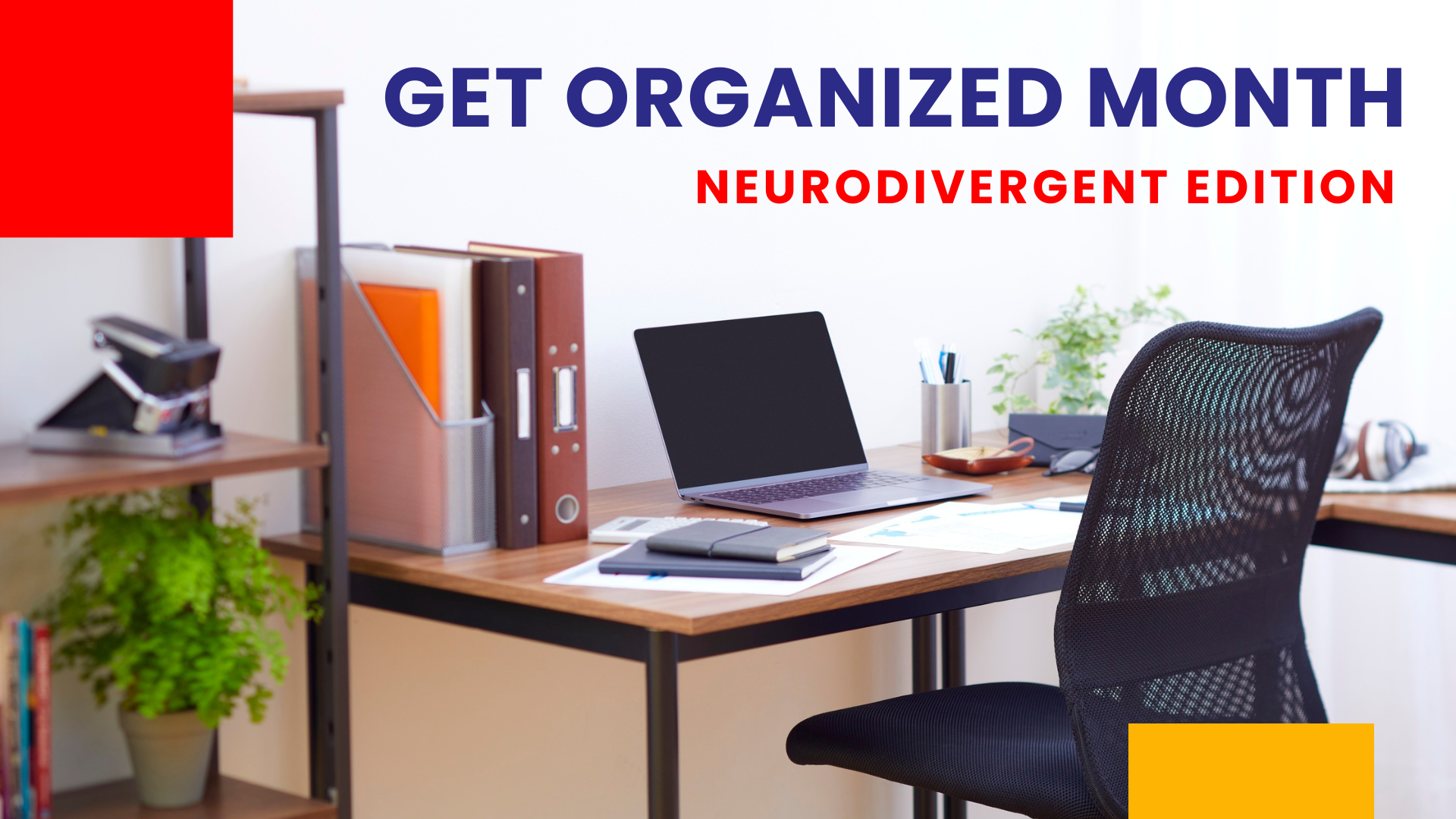
January is Get Organized Month , and as we close out the month, we wanted to pause and challenge a common misconception — especially within the neurodivergent community.

by Leslie Espinoza 24 January 2026
Recognized with the Neurodiversity Economic Inclusion Award for Advancing Inclusive Economic Opportunity

by Leslie Espinoza 6 January 2026
Nicole Bushhouse is the Founder and CEO of Unruffled Travel, a travel design company rooted in her personal journey of late-identified neurodivergence and the desire to make the world more accessible for others like her. After spending more than two decades in corporate supply chain and logistics, Nicole developed a reputation for bringing structure to complexity, translating needs into solutions, and building systems that work for real people. When she began her own process of research, assessment, and self-discovery around neurodivergence, she recognized how many of the barriers she experienced, including sensory overload, decision fatigue, and environments not built for diverse brains, also showed up in the world of travel.

by Guest User 6 January 2026
Author: Katherine Robert, PhD
by Guest User 29 November 2025
As a neurodivergent professional or job seeker, you deserve a work environment where you can thrive—not just survive. For many Coloradans, that means asking for accommodations that make work more accessible, manageable, and aligned with how your brain is wired.
by Guest User 29 November 2025
One of the most common questions we hear from neurodivergent professionals in Colorado is, “Should I disclose my diagnosis at work?” We wish we could confidently say “yes, go for it” every time. But the truth is that we’re not quite at that place yet — not as a state, and not nationally. That’s why at the Colorado Neurodiversity Chamber of Commerce we’re working every day with employers to build neuroinclusive workplaces where disclosure feels safer, supported, and genuinely respected.
by Guest User 23 September 2025
FROM OUR EXECUTIVE DIRECTOR: A MESSAGE OF SUPPORT FOR OUR NEURODIVERSE COMMUNITY With growing attention on autism in national conversations, the Chamber is committed to ensuring our members and the broader neurodiverse community are supported, valued, and empowered.
by Guest User 5 September 2025
We’re excited to welcome our newest members into the Chamber community. Together, we’re building a network where collaboration, inclusion, and impact thrive.

Show More