
5 Ways to Embrace Universal Design in Your Communication Department

Guest User • 17 March 2024

Share this article

In the workplace, embracing Universal Design in communication fosters a culture of inclusivity and empowers employees of all backgrounds to participate fully.

In a world where communication is the cornerstone of human interaction, ensuring everyone can participate equally is paramount. However, traditional modes of communication often need to pay more attention to the diverse needs of individuals, leaving many marginalized and excluded.

This is where the concept of Universal Design in communication emerges as a critical solution, aiming to create inclusive environments that cater to the needs of all individuals, regardless of their abilities or backgrounds.

Universal Design, originally conceived in the realm of architecture and product design, has also found its place in communication. At its core, Universal Design advocates for creating products, environments and communication channels accessible to everyone, including individuals with disabilities, the elderly, non-native speakers and those with varying cognitive abilities.

One of the primary benefits of Universal Design in communication is its ability to break down barriers and foster inclusivity. Implementing principles such as simplicity, flexibility and intuitiveness make communication more accessible to a wider audience.

For instance, using plain language and avoiding jargon not only benefits individuals with cognitive disabilities but also makes information easier to understand for everyone. Universal Design emphasizes the importance of multiple modalities in communication.

Recognizing that people have different preferences and abilities when it comes to receiving information, incorporating various formats such as text, audio, video and visual aids ensures that everyone can access and comprehend the content. This approach not only accommodates individuals with disabilities but also enhances the overall clarity and effectiveness of communication for all.

Here are five examples:

1. Accessible websites

Designing websites with clear navigation, readable fonts, and alternative text for images ensures that individuals with visual impairments can access the content using screen readers. Additionally, providing captions for videos and transcripts for audio content makes the website accessible to individuals with hearing impairments.

2. Plain language

Using plain language in written communication, such as instructional materials, newsletters and official documents, ensures that the information is easy to understand for individuals with cognitive or reading disabilities. This includes avoiding jargon, using simple sentence structures and providing definitions for complex terms.

3. Multimodal communication

Presenting information using multiple modes of communication, such as text, images, audio and video, ensures that individuals with diverse learning preferences and abilities can access the content effectively. For example, using visual aids alongside verbal explanations in presentations caters to both visual and auditory learners.

4. Accessible print materials

Designing printed materials, such as brochures, posters and flyers, with high-contrast colors, large font sizes and simple layouts ensures that individuals with visual impairments or dyslexia can read the content easily. Additionally, providing materials in electronic formats allows individuals to adjust settings for readability, such as font size and color contrast.

5. Alternative communication systems

Implementing alternative communication systems, such as sign language interpreters, Braille materials and text-to-speech devices, ensures that individuals with speech or hearing impairments can effectively communicate and access information in various contexts, including meetings, presentations and public events.

Why we need universal design

In the digital age, the need for Universal Design in communication is more pressing than ever.

With the proliferation of online platforms and digital content, ensuring accessibility for all users is essential. This includes designing websites, mobile applications and digital documents in compliance with accessibility standards such as the Web Content Accessibility Guidelines(WCAG).

By considering screen reader compatibility, keyboard navigation and captioning factors, organizations can ensure that their digital communication channels are inclusive and equitable for everyone.

Furthermore, Universal Design in communication goes beyond accessibility and promotes diversity and cultural sensitivity. Recognizing communities’ linguistic and cultural diversity, communication materials should be tailored to resonate with different audiences. This may involve translating content into multiple languages, using culturally appropriate imagery and incorporating diverse perspectives to ensure everyone feels represented and valued.

In the workplace, embracing Universal Design in communication fosters a culture of inclusivity and empowers employees of all backgrounds to participate fully.

By providing accommodations such as closed captioning for meetings, offering alternative formats for training materials and promoting inclusive language practices, organizations can create a more welcoming and supportive environment for all employees.

Moreover, Universal Design in communication extends beyond the realm of written and spoken language to encompass non-verbal forms of communication. This includes designing physical spaces with accessibility features such as ramps, tactile signage and hearing loops to accommodate individuals with mobility or sensory impairments.

By considering the diverse needs of users across various communication channels, we can create truly inclusive and barrier-free environments. Universal Design in communication is not merely a matter of compliance or accessibility; it is a fundamental principle of equity and social justice.

Recent Posts

by Leslie Espinoza 29 August 2026
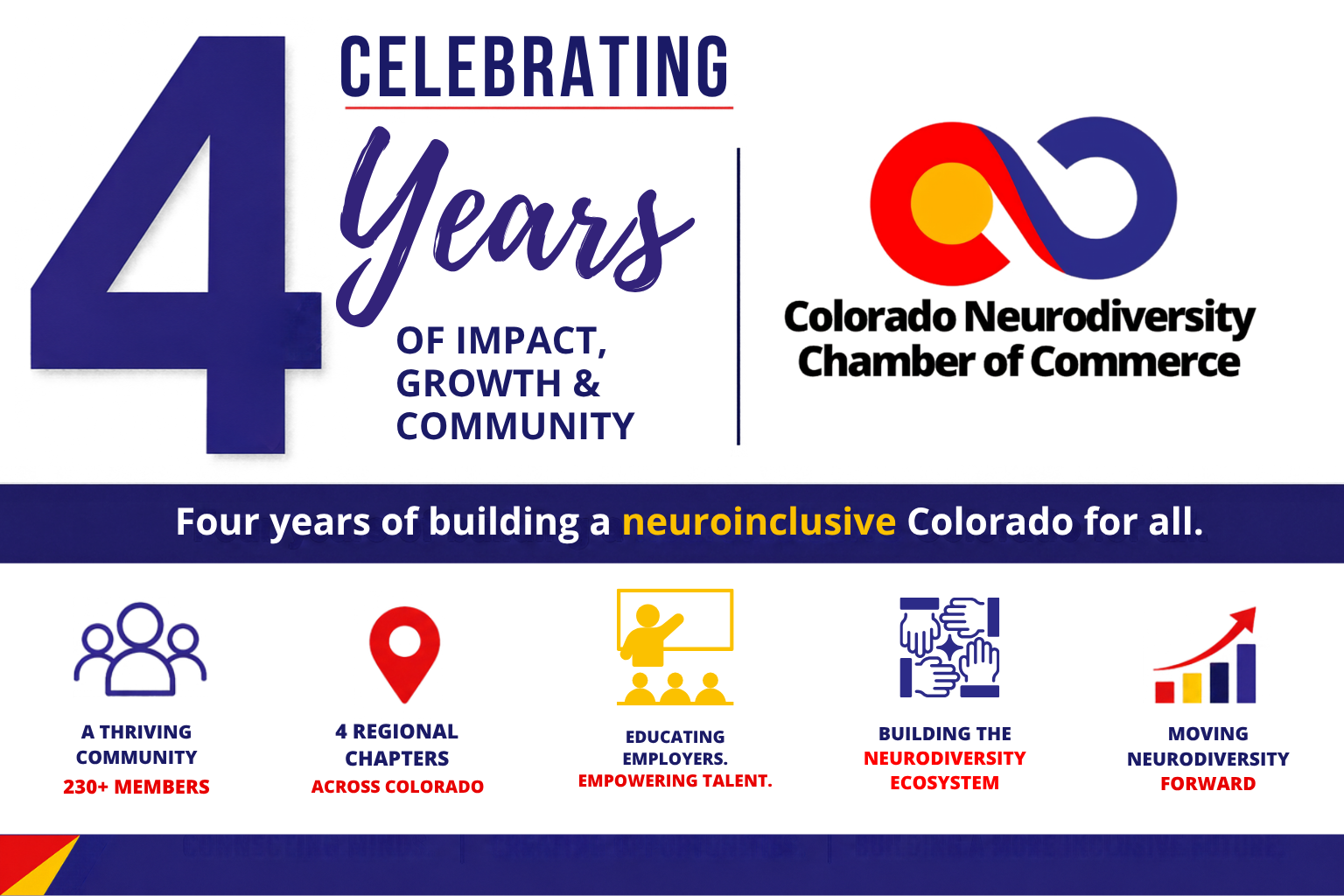
Celebrating Four Years of the Colorado Neurodiversity Chamber of Commerce
by Leslie Espinoza 11 August 2026
Visionary Partners play an important role in advancing CNDCC's mission by investing in a more neuroinclusive Colorado and supporting programs, education, workforce initiatives, and opportunities that strengthen our community. "Visionary Partners help make our work possible. We're grateful to welcome Achieve ABA Therapy Group as they invest in our mission and join a growing network of organizations committed to creating more inclusive communities, workplaces, and opportunities for neurodivergent individuals across Colorado." — Leslie Espinoza, Executive Director, Colorado Neurodiversity Chamber of Commerce Achieve ABA Therapy Group is a Colorado-based provider of individualized Applied Behavior Analysis (ABA) therapy, serving children and families throughout the state through in-home, school-based, community-based, and telehealth services. The organization is committed to expanding access to evidence-based services while working collaboratively with families, physicians, schools, therapists, case managers, and community organizations to support neurodivergent children and their families. As part of their Visionary Partnership, Achieve ABA Therapy Group looks forward to connecting with fellow Chamber members, sharing resources, participating in community initiatives, and helping strengthen Colorado's network of organizations dedicated to advancing inclusion and opportunity. “We chose to become a Visionary Partner because we believe the best outcomes for neurodivergent individuals and their families come through collaboration. The Colorado Neurodiversity Chamber of Commerce brings together organizations that share a commitment to inclusion, innovation, and meaningful support, and we’re honored to be part of that community. We look forward to building lasting relationships, sharing our expertise, supporting the Chamber’s mission, and working alongside fellow members to help strengthen Colorado’s neurodiversity community.” — Yisroel Tabi, Founder & CEO, Achieve ABA Therapy Group For CNDCC's Board of Directors, partnerships like these represent an opportunity to continue building a stronger and more connected neurodiversity ecosystem across Colorado. "The strength of CNDCC has always come from bringing people and organizations together around a shared commitment to neuroinclusion. We are grateful for Achieve ABA Therapy Group's dedication to our mission and look forward to meaningful connections for our growing community." — Dr. Amanda Kelly, Board Chair, Colorado Neurodiversity Chamber of Commerce We are grateful for Achieve ABA Therapy Group's support and look forward to the collaboration ahead. We encourage our members to welcome their team to the CNDCC community and learn more about their work. Members interested in connecting with Yisroel Tabi and the Achieve ABA Therapy Group team are encouraged to reach out directly or visit www.atgaba.com to learn more about the organization, its services, and opportunities to connect.
by Leslie Espinoza 27 January 2026
January is Get Organized Month , and as we close out the month, we wanted to pause and challenge a common misconception — especially within the neurodivergent community.

by Leslie Espinoza 24 January 2026
Recognized with the Neurodiversity Economic Inclusion Award for Advancing Inclusive Economic Opportunity
by Leslie Espinoza 6 January 2026
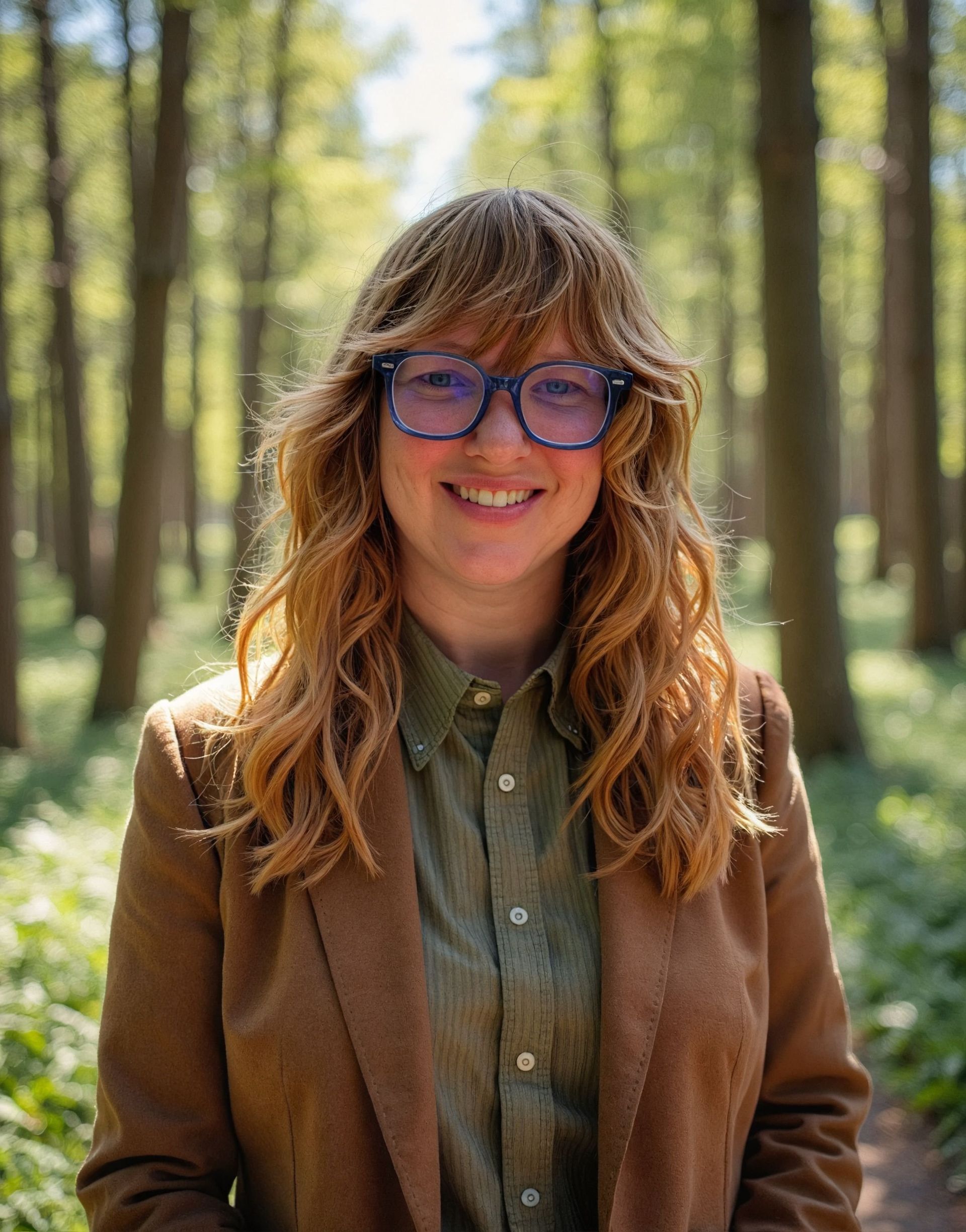
Nicole Bushhouse is the Founder and CEO of Unruffled Travel, a travel design company rooted in her personal journey of late-identified neurodivergence and the desire to make the world more accessible for others like her. After spending more than two decades in corporate supply chain and logistics, Nicole developed a reputation for bringing structure to complexity, translating needs into solutions, and building systems that work for real people. When she began her own process of research, assessment, and self-discovery around neurodivergence, she recognized how many of the barriers she experienced, including sensory overload, decision fatigue, and environments not built for diverse brains, also showed up in the world of travel.
by Guest User 6 January 2026
Author: Katherine Robert, PhD
by Guest User 29 November 2025
As a neurodivergent professional or job seeker, you deserve a work environment where you can thrive—not just survive. For many Coloradans, that means asking for accommodations that make work more accessible, manageable, and aligned with how your brain is wired.
by Guest User 29 November 2025
One of the most common questions we hear from neurodivergent professionals in Colorado is, “Should I disclose my diagnosis at work?” We wish we could confidently say “yes, go for it” every time. But the truth is that we’re not quite at that place yet — not as a state, and not nationally. That’s why at the Colorado Neurodiversity Chamber of Commerce we’re working every day with employers to build neuroinclusive workplaces where disclosure feels safer, supported, and genuinely respected.
by Guest User 23 September 2025
FROM OUR EXECUTIVE DIRECTOR: A MESSAGE OF SUPPORT FOR OUR NEURODIVERSE COMMUNITY With growing attention on autism in national conversations, the Chamber is committed to ensuring our members and the broader neurodiverse community are supported, valued, and empowered.
by Guest User 5 September 2025
We’re excited to welcome our newest members into the Chamber community. Together, we’re building a network where collaboration, inclusion, and impact thrive.

Show More